October 28, 2026
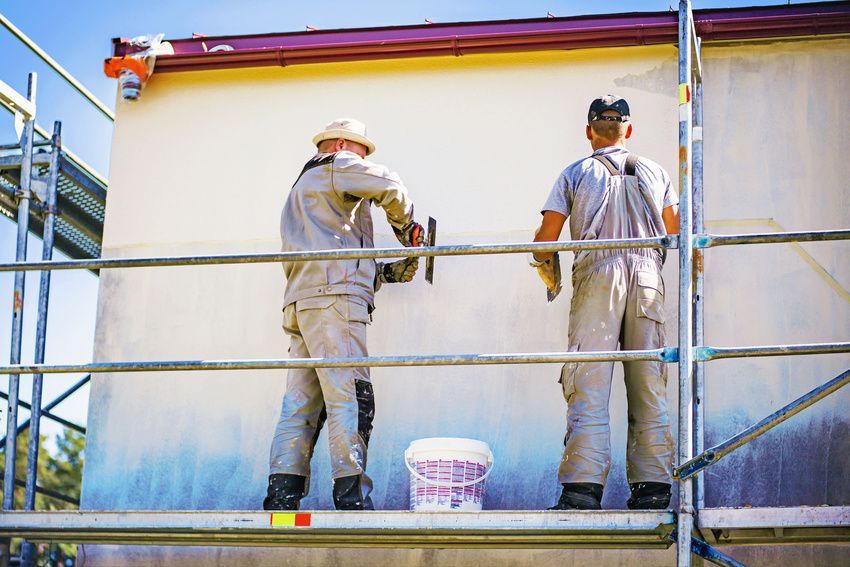
A fresh coat of exterior paint can improve a home's curb appeal while protecting its surfaces from harsh weather. However, achieving a long-lasting finish requires more than choosing an attractive color. Hiring a professional house painter can help homeowners avoid common mistakes that cause premature peeling, fading, and cracking. With proper preparation, suitable materials, and experienced application, exterior paint can remain attractive and protective for years.
Preparing Exterior Surfaces for Better Paint Adhesion
Proper surface preparation is one of the most important factors affecting exterior paint durability. Applying new paint over dirt, loose coatings, or damaged surfaces can prevent proper adhesion and cause the finish to deteriorate prematurely.
Before painting begins, professionals evaluate the condition of siding, trim, and other exterior features. They identify problem areas that require attention and prepare surfaces to support a consistent finish.
Common preparation steps include:
- Cleaning surfaces: Removing dirt, dust, mildew, and accumulated debris that could interfere with paint adhesion.
- Scraping loose paint: Eliminating peeling or flaking coatings to create a stable foundation.
- Sanding rough areas: Smoothing uneven surfaces and improving the transition between existing and new paint.
- Caulking gaps: Sealing appropriate joints and openings where moisture could enter.
- Applying primer: Preparing exposed or previously repaired areas for improved paint coverage and adhesion.
Completing these steps helps prevent common coating failures and creates a stronger foundation for the finished paint.
Thorough preparation also helps reveal hidden issues that might otherwise go unnoticed. Small cracks, deteriorating caulk, and damaged wood can become more serious when covered without proper attention. Addressing these concerns before painting helps protect the underlying materials and supports a smoother, more professional appearance.
Choosing Exterior Paint for Long-Term Protection
Not all exterior paints offer the same level of protection. Product quality, surface compatibility, and environmental conditions influence how successfully a coating withstands daily exposure.
A professional house painter understands how to select products suited to different exterior materials. Wood siding, metal garage doors, and painted trim may require different formulations to achieve reliable adhesion and durability.
High-quality exterior coatings are designed to resist moisture, ultraviolet exposure, and temperature fluctuations. Flexible formulations can also accommodate minor expansion and contraction as building materials respond to changing weather.
Homeowners should consider more than the initial price of paint. Choosing a durable product may help reduce repainting frequency and minimize maintenance expenses over time.
According to This Old House, a well-done exterior paint job usually lasts between five and 10 years. Actual longevity depends on factors such as climate, surface preparation, paint quality, and ongoing maintenance.
Scheduling Exterior Painting for Favorable Weather
Weather conditions can significantly affect how exterior paint dries, cures, and adheres to surfaces. Painting during unsuitable conditions may compromise the finish even when quality materials are used.
Extreme temperatures, rain, and excessive humidity can interfere with proper application. Direct sunlight may also cause paint to dry too quickly, making it difficult to maintain consistent coverage.
In Bozeman, Montana, seasonal temperature changes create additional considerations for exterior painting projects. Cold nights, strong sunlight, and unpredictable precipitation make careful scheduling particularly important.
Experienced painters review weather forecasts and manufacturer recommendations before beginning work. They also consider surface temperatures, drying requirements, and expected conditions throughout the application process.
Selecting appropriate weather conditions helps coatings develop the performance characteristics needed for long-term protection. It also reduces the likelihood of uneven finishes, poor adhesion, and premature deterioration.
Homeowners should also understand that comfortable outdoor temperatures do not always indicate suitable painting conditions. Shaded walls may remain damp after morning condensation, while sun-exposed surfaces can become considerably warmer than the surrounding air. Evaluating individual surfaces helps determine when painting can proceed safely and effectively.
Applying Exterior Paint With Consistent Techniques
Proper application techniques influence both appearance and durability. Uneven coverage, excessive paint buildup, and insufficient drying time between coats can create problems that become noticeable months after installation.
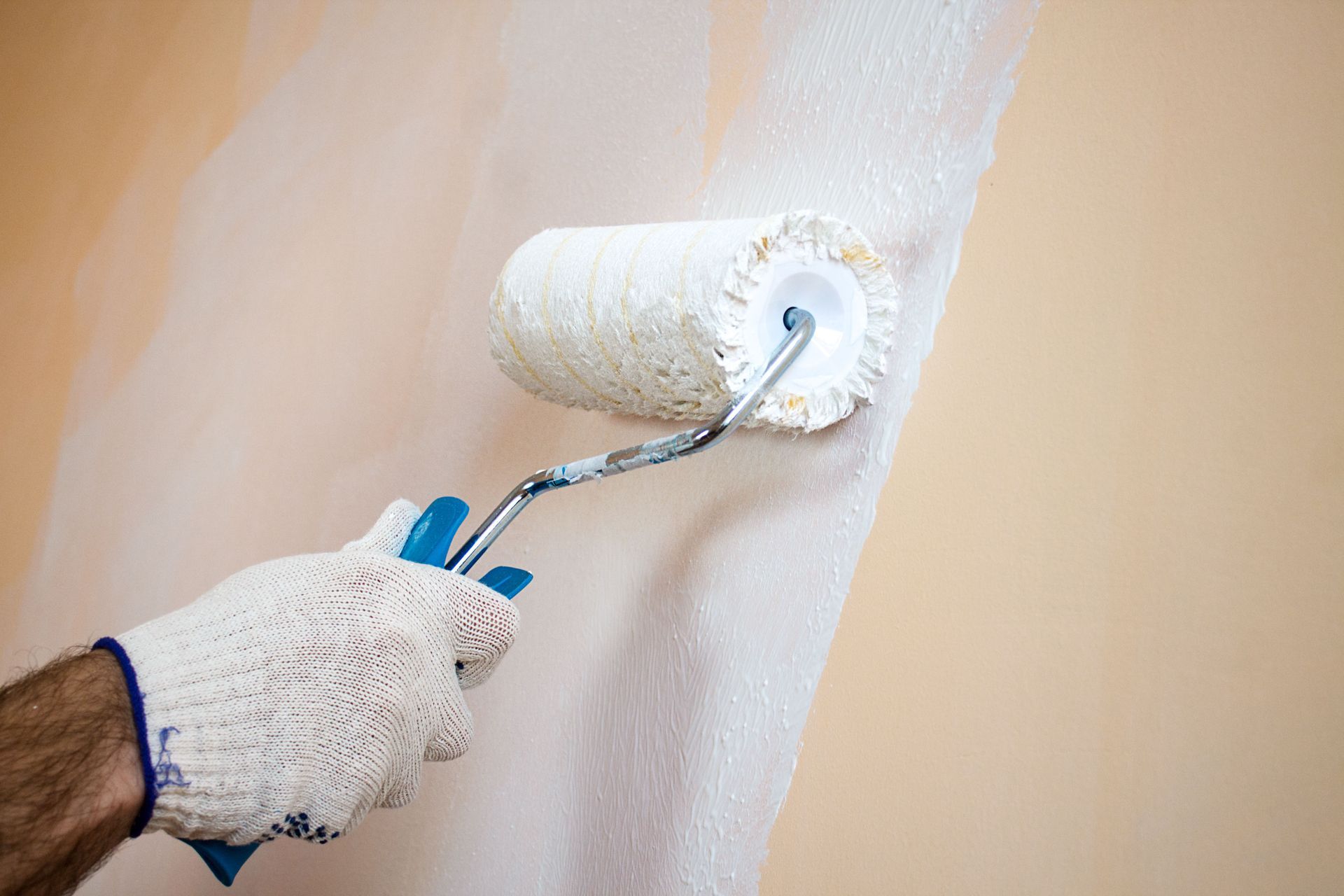
An experienced house painter understands how application methods affect different surfaces. Professionals use appropriate brushes, rollers, or spraying equipment based on material characteristics, surface conditions, and project requirements.
Consistent application helps produce uniform coverage while minimizing thin spots where moisture and sunlight could damage the underlying material.
Another important consideration is following the manufacturer's recommendations for coating thickness and drying time. Applying additional coats before the previous layer is ready may interfere with proper curing.
Careful attention to edges, corners, and detailed trim also supports durability. These areas experience frequent weather exposure and require thorough coverage to maintain protection.
Protecting Exterior Features Against Moisture Damage
Moisture is a major contributor to exterior paint deterioration. Water entering through cracks, gaps, or damaged coatings can cause peeling, bubbling, and other visible problems.
Exterior features such as window frames, fascia, siding, and doors are particularly vulnerable when protective finishes begin wearing away.
Professional painters examine these areas before applying new coatings. Identifying potential moisture entry points allows appropriate preparation and helps reduce the likelihood of recurring paint damage.
Homeowners should also pay attention to drainage around their properties. Overflowing gutters, persistent splashing, and water collecting near exterior walls can accelerate coating deterioration.
Maintaining proper drainage and keeping exterior surfaces relatively dry supports paint performance. However, persistent leaks or structural moisture problems should be corrected by qualified professionals before repainting begins.
Maintaining Painted Surfaces Between Professional Projects
Even a carefully completed exterior paint job benefits from routine maintenance. Regular inspections allow homeowners to identify developing problems before extensive deterioration occurs.
A house painter can help homeowners understand which areas require particular attention after an exterior painting project.
Useful maintenance practices include:
- Inspecting siding, trim, and doors for peeling, cracking, or fading.
- Gently removing accumulated dirt using cleaning methods appropriate for the coating.
- Checking caulked joints for separation or visible deterioration.
- Keeping vegetation from rubbing against painted surfaces.
- Addressing minor coating damage before surrounding areas become affected.
Homeowners should avoid aggressive pressure washing because excessive water pressure can damage paint and force moisture behind siding.
Regular upkeep helps preserve exterior appearance while extending the useful life of protective coatings. It can also reduce the need for extensive preparation during future repainting projects.
Selecting Professional Painting Services for Lasting Results
Exterior painting requires planning, technical knowledge, and attention to detail. Although painting may appear straightforward, achieving reliable results involves evaluating surfaces, selecting compatible coatings, and following proper application procedures.
Working with a qualified house painter provides homeowners with professional guidance throughout these stages.
Experienced contractors can also coordinate painting across multiple exterior features, including siding, trim, fascia, garage doors, and window frames. This coordinated approach supports a consistent appearance while addressing the specific needs of each material.
Homeowners should ask prospective contractors about preparation procedures, coating selections, project scheduling, and quality expectations. Understanding the painting process helps establish realistic expectations and supports informed decisions.
Preserving Exterior Paint Through Professional Care
Long-lasting exterior paint depends on preparation, suitable products, favorable weather, and careful application. Routine maintenance further protects these investments by helping homeowners identify damage before it spreads.
Professional exterior painting can improve curb appeal while creating a protective barrier against moisture, sunlight, and seasonal weather changes. Taking a proactive approach helps homeowners maintain attractive surfaces and avoid unnecessary repainting.
Contact Another Peters Painting today to request a free estimate and discover how professional exterior painting can help protect your Bozeman-area home for years to come.