November 14, 2026
A fresh coat of exterior paint can improve a property's appearance while providing an important layer of protection against weather, moisture, and everyday environmental exposure. However, paint does not last indefinitely.
Its lifespan depends on several factors, including surface preparation, paint quality, application techniques, climate conditions, and ongoing maintenance. Understanding these influences can help property owners make informed decisions about protecting their homes and maintaining their exterior appearance.
Montana's cold winters, temperature fluctuations, sunlight, and precipitation can accelerate paint deterioration. Professional exterior painting services use appropriate materials and application methods to help protect surfaces, maintain their appearance, and extend the lifespan of exterior coatings despite seasonal weather exposure.
Understanding the Factors That Influence Paint Longevity
The lifespan of an exterior paint job is not determined by a single factor. Instead, several conditions work together to influence how long the finish maintains its appearance and protective qualities.
According to Workyard, exterior surfaces generally require repainting approximately every 7 to 10 years. However, this timeframe is an average rather than a guarantee. Some properties may need attention sooner, while others may maintain their finishes longer depending on the materials used, exposure to the elements, and quality of the original application.
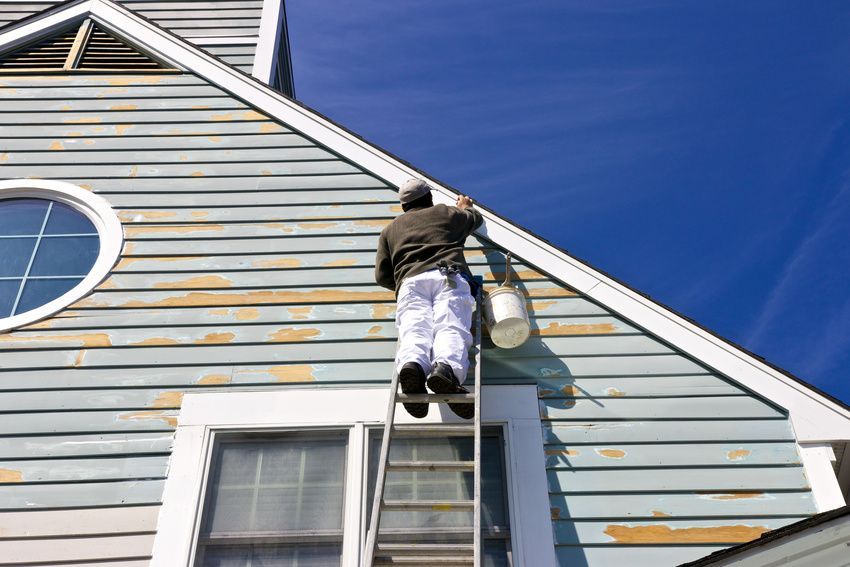
The condition of the building's exterior also plays an important role. Surfaces with existing damage, deteriorating coatings, or moisture-related concerns may experience paint failure sooner than properly maintained materials. Similarly, areas that receive substantial sunlight or experience frequent exposure to wind and precipitation may show signs of wear more quickly.
Understanding these variables helps property owners recognize why painting projects require more than selecting an appealing color. The right preparation, materials, and application approach all contribute to the long-term performance of the finished surface.
Evaluating Surface Preparation and Material Conditions
Surface preparation is one of the most important elements influencing paint longevity. Even high-quality coatings may struggle to adhere properly when applied over dirty, damaged, or deteriorating surfaces.
Before painting begins, exterior materials need to be evaluated for their condition. Dirt, loose paint, mildew, and other contaminants can interfere with adhesion. If these issues are not addressed appropriately, the new coating may begin peeling, cracking, or separating from the surface.
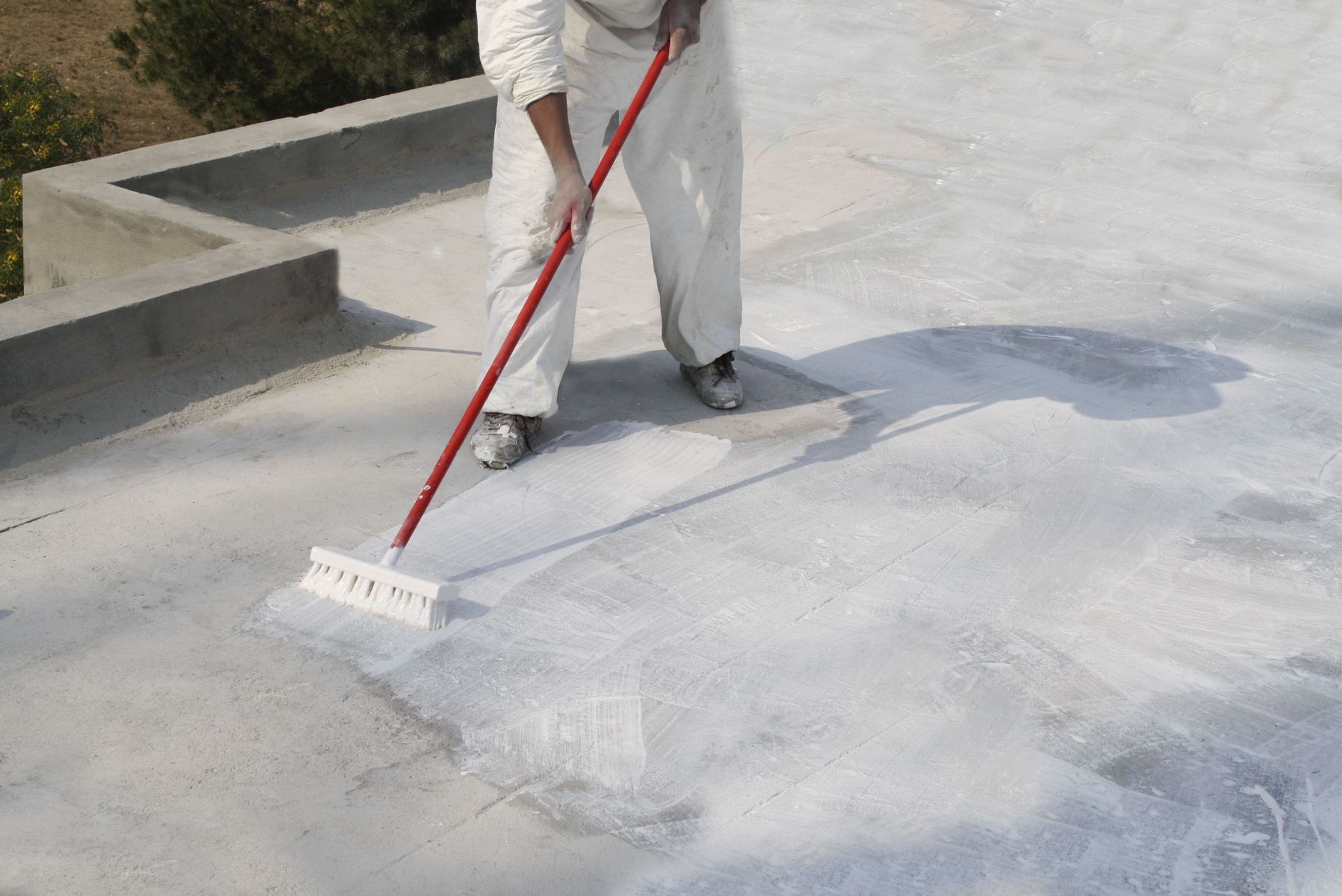
Addressing cracks, moisture damage, and deteriorating materials is essential before painting. Professional exterior painting services include evaluating surfaces, removing loose coatings, and selecting appropriate primers and products to support proper adhesion, consistent coverage, and long-lasting results across different exterior materials.
When preparation is handled carefully, paint has a better opportunity to adhere evenly and maintain its appearance through changing weather conditions.
Selecting Paint Quality and Appropriate Coatings
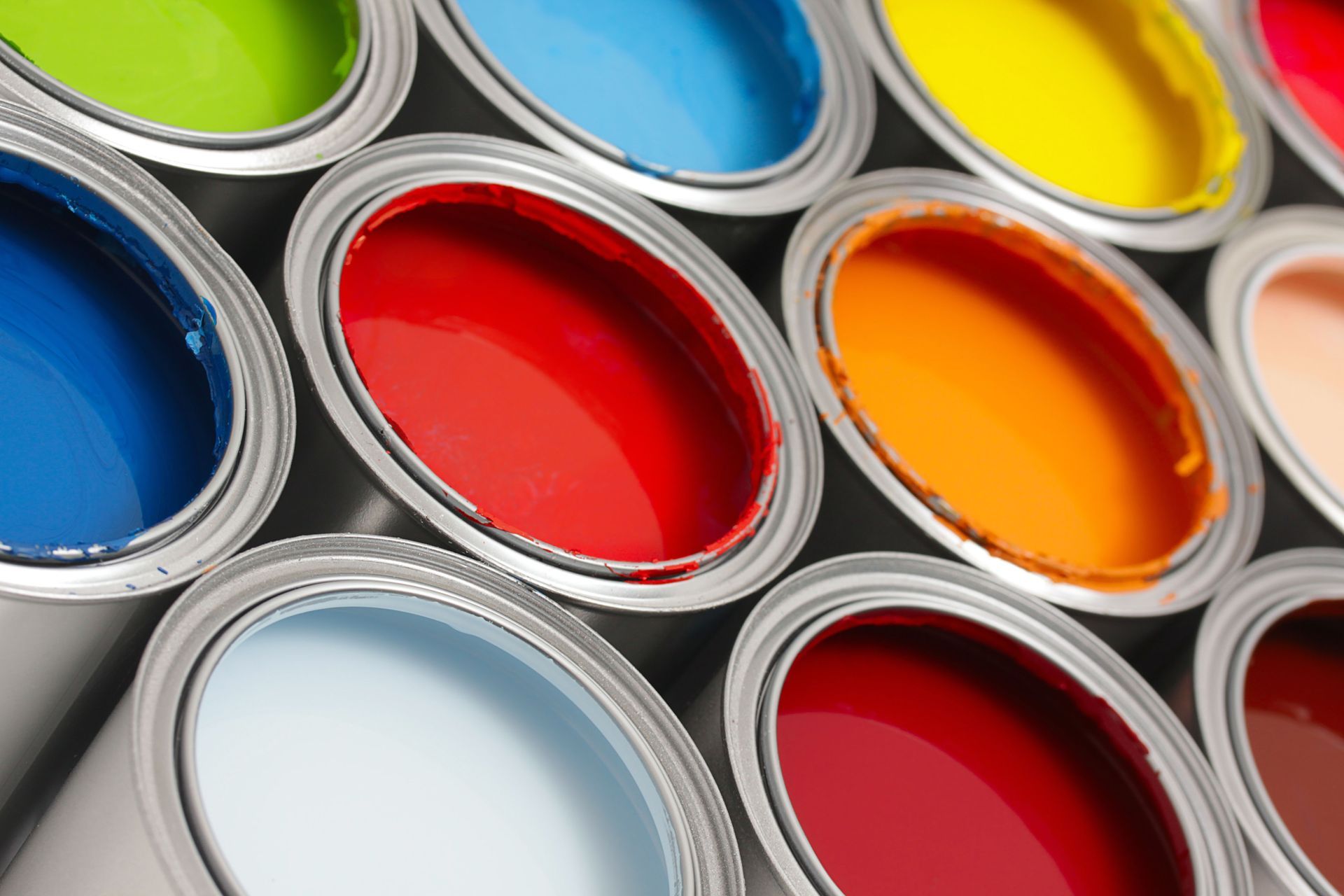
The quality of paint products directly influences how well an exterior finish withstands environmental exposure. Different coatings are formulated to provide varying levels of durability, flexibility, moisture resistance, and color retention.
Exterior paints are specifically developed to handle conditions that interior coatings are not designed to withstand. They must tolerate temperature changes, sunlight, moisture, and other outdoor influences without losing their protective qualities prematurely.
The appropriate product depends on the building's materials, existing surface conditions, and environmental exposure. For example, wood surfaces may require coatings that accommodate natural expansion and contraction, while metal surfaces may need products designed to support adhesion and resist corrosion.
Primer selection is another important consideration. Primers help create a consistent surface for the finish coat and can improve adhesion when working with certain materials or previously painted areas. The correct primer also depends on the substrate and the type of paint being applied.
Choosing products based solely on initial cost may overlook their expected performance and suitability. Professional painters consider the relationship between material requirements and coating characteristics when selecting products for an exterior project.
Investing in appropriate paint and primer can contribute to a more consistent finish and help reduce the likelihood of premature deterioration. Professional exterior painting services help ensure these factors receive proper attention.
Accounting for Montana's Seasonal Weather Conditions
Climate is another major influence on exterior paint longevity. Montana's seasonal weather patterns expose buildings to changing temperatures, intense sunlight, snow, wind, and precipitation. These conditions can place considerable demands on exterior coatings.
Temperature fluctuations are particularly important because building materials naturally expand and contract as temperatures change. Repeated movement can place stress on paint films, potentially contributing to cracking or reduced adhesion over time.
Winter conditions introduce additional challenges. Snow and moisture can affect exterior surfaces, while freezing temperatures may contribute to deterioration when water enters existing cracks or damaged materials. Properly selected coatings and thorough surface preparation help support the durability of painted exteriors.
Sun exposure also influences paint performance. Ultraviolet radiation can gradually break down certain components in paint, resulting in fading, discoloration, or a less uniform appearance. Exterior walls that receive direct sunlight for extended periods may experience more noticeable color changes than shaded areas.
Wind and airborne debris can contribute to surface wear as well. Although these influences may not cause immediate paint failure, repeated exposure can gradually affect the finish.
Timing is also important when scheduling a painting project. Professional painters consider temperature, humidity, precipitation forecasts, and product-specific application requirements when determining suitable working conditions. Applying paint under inappropriate conditions may interfere with drying, curing, and adhesion.
For Montana properties, understanding seasonal exposure helps establish realistic expectations for paint performance and supports better project planning.
Maintaining Painted Surfaces Over Time
Even a professionally completed paint job benefits from appropriate maintenance. Regular attention can help property owners identify developing concerns before they affect larger areas of the exterior.
Environmental exposure gradually changes painted surfaces. Dust, dirt, organic growth, and other contaminants may accumulate over time, affecting the appearance of the finish. Areas with greater moisture exposure may require closer attention because persistent dampness can contribute to paint deterioration and underlying material damage.
Routine exterior evaluations provide an opportunity to notice changes such as fading, peeling, cracking, and bubbling. These conditions may indicate that the coating is wearing down or that an underlying issue requires attention.
Maintenance is particularly important around areas where water may collect or enter the building envelope. Exterior trim, window surrounds, siding joints, and other exposed details should be evaluated for signs of deterioration. Addressing these concerns appropriately can help protect the surrounding materials and preserve the property's appearance.
Another consideration is the age of the existing paint. Older coatings may gradually lose their protective qualities even when widespread peeling is not immediately visible. Professional evaluations can help determine whether localized attention or a more extensive repainting project is appropriate.
Consistent maintenance does not eliminate the need for future painting, but it can help property owners better understand the condition of their exterior surfaces and plan for upcoming improvements.
Recognizing the Value of Professional Application
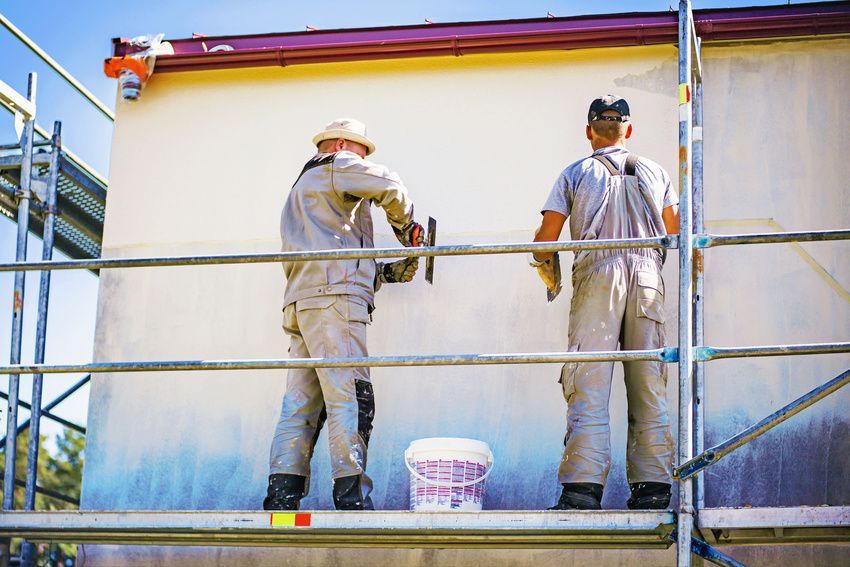
Application techniques have a direct relationship with the quality and durability of an exterior paint job. Proper coverage, consistent application, and attention to surface details all influence the finished result.
Professional painters understand that different exterior materials require different approaches. Paint thickness, application methods, drying conditions, and the number of coats can vary according to the product and surface being treated.
Insufficient coverage may leave areas more vulnerable to environmental exposure, while improper application can contribute to uneven finishes or adhesion problems. Professional workmanship helps address these considerations throughout the project.
Professional painters identify surface concerns, evaluate material compatibility, and recommend appropriate preparation. Quality exterior painting services account for Montana's changing weather, product selection, and application methods, helping property owners maintain attractive finishes while supporting long-term protection against environmental exposure.
Another Peters Painting helps property owners maintain and improve their exterior spaces through professional painting solutions. Whether a property needs a fresh appearance or attention to aging paint, choosing experienced professionals can help ensure that important project details receive consideration. Contact Another Peters Painting today to discuss your project and schedule professional exterior painting services for your Montana property.